Get in touch with Yibo Company


Marine flooring applications · passenger vessels
Cruise Ship Flooring for Passenger Vessels
A passenger vessel floor is a system that includes several components; the deck coating works with the complete build-up, including application, fire-approval documentation, wear resistance, wet-route safety and safe handling notes. From Yibo Marine we deliver made-for-marine flooring for shipyards, owners and design teams that define zones with special build-ups. Our products and systems include high sound-insulation floating floors, self-leveling deck coverings, damping coatings, ordinary and polyester primary deck coverings, PU leveling coverings, marine epoxy floors and imitation teak systems.
- Zone-based system selection
- Catalogue-linked technical data
- Shipyard-ready document review
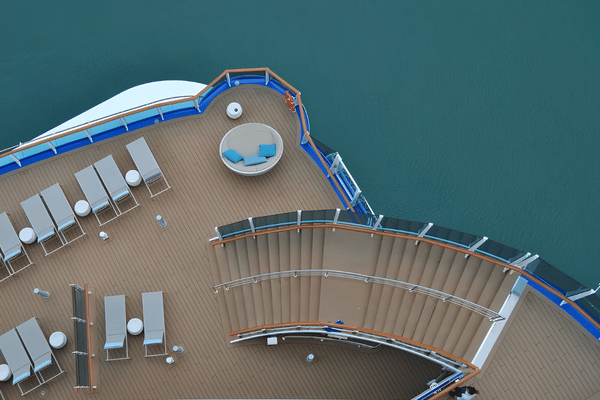
Marine Flooring Systems at a Glance
Select the system from the vessel Zone & deck condition and carry this into drawing, material schedule & Inspection pack as the selected build-up.
01
Acoustic floating floors
YB-A60 families connect resilient layers with deck-covering build-ups for sound-insulation design review.
02
Leveling and preparation
AC-J self-leveling deck coverings help prepare a consistent surface before the final finish is installed.
03
Damping and protection
DP-SDI damping coating, epoxy and PU options address different substrate, wear and finish requirements.
04
Passenger-facing finishes
Imitation teak and selected surface treatments support visual coordination without replacing route-specific safety review.
Application-Ready Flooring Capabilities
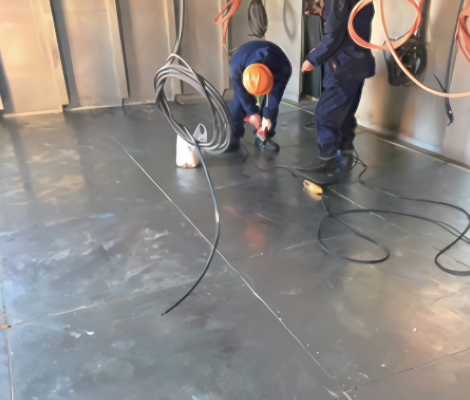
Yibo Marine works across the preparation and finish layers that a cruise or passenger-vessel project may need. In practice, this creates a coordinated product family rather than a single finish sample.
ZONE 01
Interior public areas
Use the selection review to align self-leveling preparation, acoustic build-up, wear surface and appearance for corridors, lounges, dining spaces and other passenger routes.
ZONE 02
Cabins & accommodation
Match deck preparation and finish to cleaning access, furniture interfaces, footfall and the acoustic brief. A floating-floor route can be reviewed where structure-borne noise is a design concern.
ZONE 03
Wet and service spaces
Review drainage, texture, slip-resistance requirement, chemical exposure and maintenance access before selecting epoxy, PU or another finish.
ZONE 04
Open and exterior decks
Imitation teak and protective systems can be compared with the route’s moisture, sunlight, movement and replacement constraints. Surface appearance is selected after the deck condition is understood.
Yibo Marine Flooring Product Families
01
YB-A60 floating floor systems
High sound-insulation floating floor families for projects where resilient build-up, finished height and acoustic review must be considered together.
02
AC-J self-leveling deck coverings
Self-leveling products for deck preparation and a controlled base layer before a final covering or finish.
03
DP-SDI damping coating
A solvent-free two-component damping coating listed in the product material as having no shrinkage after cure.
04
Ordinary and polyester primary coverings
Primary deck-covering routes for build-ups that need a prepared, serviceable marine base.
05
PU leveling coverings
Polyurethane leveling options for a project brief that calls for a resilient and finish-ready deck layer.
06
Marine epoxy and imitation teak
Epoxy floor surfaces and imitation teak options for protective, decorative or passenger-facing finish decisions.
These families come from the supplied Yibo Marine catalogue and project materials. Product selection remains tied to the specified system build-up, application zone and requested documentation.
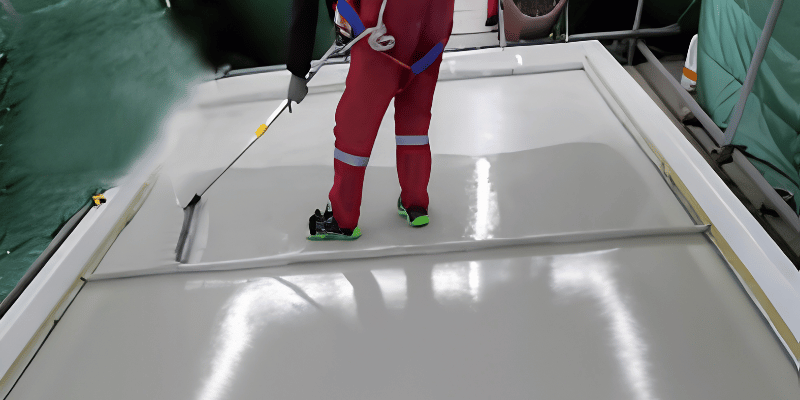
Surface and Deck Finish Options
The visible floor carries the vessel’s design language, but finish selection still starts with deck condition and route exposure. When maintenance and safety matter, Yibo can compare a protective epoxy or PU finish with an imitation teak appearance.
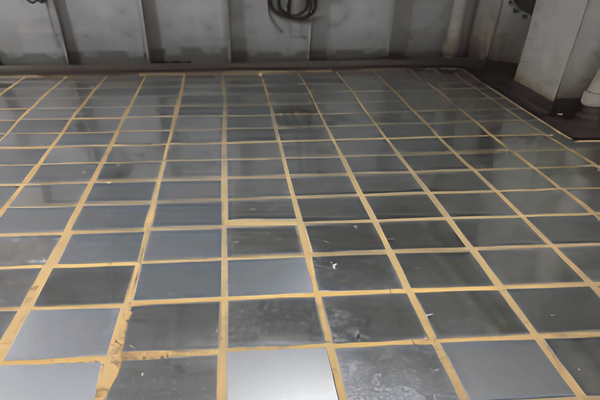
Request an application-zone selection review
and send the finish reference, deck location and cleaning regime.
01 // Marine epoxy floor
Use for a continuous, protective surface where chemical exposure, cleaning access and a controlled finish are part of the design review.
- Confirm substrate preparation and repair sequence.
- Define texture and route-specific slip criteria.
02 // PU leveling & finish layers
Use where a leveling or resilient finish route is preferred. Record the layer thickness, cure sequence and interface with adjacent coverings.
- Coordinate thresholds and door clearances.
- Keep the approved product sheet with the material schedule.
03 // Imitation teak floor
Use when a teak visual is wanted without allowing appearance to replace wet-route, cleaning and replacement decisions.
- Review seams, drainage and edge details.
- Align colour sample approval with the interior package.
04 // Textured or anti-slip
Texture should be selected by route, footwear, water exposure and cleaning method. Your project team should approve the local slip-resistance requirement for each passenger route.
FINISH-SCOPE REF.
MCA guidance keeps marine floor-covering limitations visible during finish review.
TRADE-OFF TO RECORD
A decorative finish does nothing for drainage or route safety by itself. Confirm the surface, preparation, adhesive and cleaning method before approving the visual sample.
YIBO FINISH REVIEW
The finish decision is an application scenario with a documented product sheet, factory batch record and route-specific cleaning plan. Unlike a decorative-only choice, the differentiator is the evidence carried into the quotation.
Sound, Fire and Deck Performance Specifications
Yibo catalogue values describe named product systems and build-ups. They are not a completed-vessel noise result, a universal fire approval or a substitute for the owner, shipyard and classification review.
Yibo system or material
Catalogue value
How the project team should use it
YB-A60FI-1
About 51.5 kg/m²; Rw 46 dB
Compare mass and system-level acoustic data in the floating-floor review.
YB-A60FI-2
About 29 kg/m²; Rw 45 dB
Review where reduced build-up mass is important to the design.
YB-A60FIII-1
About 78.95 kg/m²; Rw about 56 dB; Ln,w about 45 dB
Keep the values attached to this named build-up; do not call them onboard compliance.
YB-A60FIV-1
About 72.715 kg/m²; Rw 55 dB
Use for system comparison with the deck, finish and height constraints recorded.
AC-JIII
Density ≤800 kg/m³; fluidity ≥130 mm
Check preparation and leveling requirements against the deck condition.
AC-JIII
Breaking strength ≥5 MPa; compressive strength ≥20 MPa
Use the product document when reviewing the specified base layer.
YB-A60FIII-1
Thickness references: 25 mm (0.98 in) and 50 mm (1.97 in) build-up options
Confirm finished floor height at doors, thresholds, drains and equipment interfaces.
DP-SDI
Solvent-free two-component damping coating; no shrinkage after cure listed in product material
Review damping intent, substrate preparation and the approved installation sequence.
Pricing and Lead-Time Planning
Cruise ship flooring is calculated to a start-up rather than a whole material name. Next, define the material family, deck preparation, area quantity, thickness, finish, pack and project interface; all affect scope of work.
01
Drawing set
Share deck plans, section details, penetrations, thresholds and the required finished height.
02
Quantity band
Share estimated square metres by zone and identify replacement or phased-installation areas.
03
Project window
Share the dry-dock or newbuild milestone so production, packing and handover dependencies can be reviewed together.
Yibo returns a project quotation after the technical inputs are reviewed. This quotation can separate product, preparation, finish, packing and delivery scopes so procurement compares like with like.
Commercial mechanism: The differentiator is a drawing-led quote that exposes the scope drivers instead of hiding them in a single floor rate. Send the RFQ inputs and the Yibo supplier team can return a comparable specification path.
Request a marine flooring specification review
and send the selection details for your vessel brief.
Quality and Compliance Documentation
Yibo’s supplied company and product materials state that product quality meets SOLAS-related specifications and requirements referenced by DNV·GL, EC, CCS, NK and other classification societies. This page keeps that statement at the document-reference level: product-specific approval, test reports and class references must be matched to the selected system and vessel application.
REQ_01
Document pack for review
- Product data sheet and system build-up
- Installation and curing sequence
- Applicable fire or type-approval document
- Material and hazardous-substance information when requested
- Inspection and delivery records agreed for the project
REQ_02
Project-level checks
- Vessel and zone identification
- Deck substrate and moisture condition
- Fire, smoke and toxicity document scope
- Passenger-route accessibility and local slip criteria
- Interface approval with the yard and owner team
Project Workflow for Shipyards and Owners
Our workflow maintains the communication between engineering, the procurement department and your designer from initial vessel briefing document to the handover file.
FACTORY HANDOFF
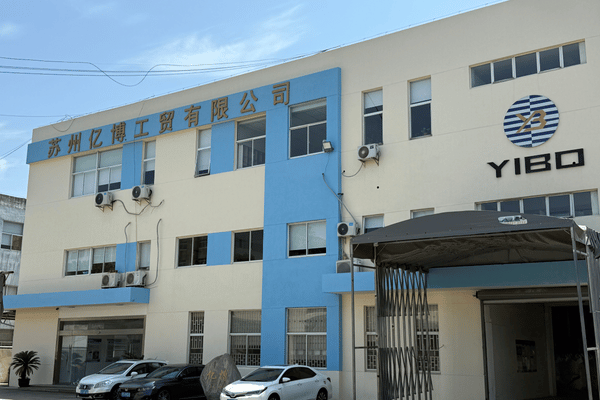
Yibo Marine’s Suzhou operation has supplied marine flooring products since 2001, and the brief identifies a facility area above 6000 m². Our workflow keeps production, procurement and inspection evidence in one project thread; request the project review to start it.
PROCESS REFERENCE
MCA guidance is a reminder to keep the approved floor-covering scope attached to the vessel file.
NEXT ACTION
The wrong choice is discovered early when the supplier, procurement lead and yard inspector review the drawing together. Send your vessel brief to open that handoff
01
Vessel brief
Record vessel type, deck zones, substrate, quantity, target finish, acoustic intent and project milestone.
02
System mapping
Map each zone to a Yibo family and list alternatives where the deck condition or finish requirement changes.
03
Document review
Match product data, installation method, fire or class documents and material declarations to the selected scope.
04
Sample and interface check
Review colour, texture, thresholds, drains, welds, penetrations and adjacent finishes before release.
05
Production and packing
Confirm the approved schedule, batch identification, packing instructions and delivery contact for the yard.
06
Handover
Close with installation records, inspection data and the agreed product-document package for the vessel file.
CASE REFERENCE & EVIDENCE
Passenger-Vessel Project Evidence
The supplied Yibo case table records cooperation connected with major Chinese shipbuilding groups and cruise-related work. Visible examples below retain only the passenger-vessel or shipyard context supplied by the client materials.
CSSC Huangpu Wenchong
Client case materials list the “梦想号” project under CSSC Huangpu Wenchong Shipbuilding Company Limited. The project name is shown as supplied; request the exact product and zone record in the project pack.
Chongqing cruise projects
Client materials list Chongqing cruise projects. Use the vessel brief and product schedule to confirm the relevant area and system before treating the record as a technical reference.
Shanghai Waigaoqiao shipbuilding
Client materials list cooperation with Shanghai Waigaoqiao Shipbuilding and Offshore Co., Ltd. Confirm the project scope and supplied system through the Yibo case file.
“Quality first, service first” is the operating purpose stated in the Yibo company brief; the project team turns that purpose into a documented selection, review and handover sequence.
Buyer voice to address
“Who manufactures and installs the floor in the shipyard?” “Noise location changes which deck/area buyers prefer.” “Buyers prepare a question list before signing.” These questions belong in the vessel brief, not after a material is released.
Proof scope
The Yibo Marine factory, product catalogue and case table are the evidence available for this page; the differentiator is the named scope attached to each record. Request the project file review before using a case as a specification reference.
Independent context
ISO 9001 reference information is background only; project evidence remains limited to the supplied Yibo case and product records.
Where Each Flooring System Fits
The matrix below is a starting point for engineering review, not a universal approval. Confirm the local deck condition, route exposure and required document scope before release.
Vessel area
Starting system path
Review points
Passenger corridors and public interiors
AC-J preparation + selected finish; YB-A60 where acoustic build-up is required
Footfall, thresholds, cleaning access, sound target and finish coordination
Cabins and accommodation
Floating-floor or prepared finish route
Furniture interfaces, finished height, acoustic brief and replacement access
Wet rooms and pool-adjacent routes
Protective epoxy or PU route with approved texture
Drainage, water exposure, local slip requirement and cleaning regime
Open deck and exterior feature areas
Imitation teak or protective system after substrate review
Moisture, movement, sunlight, edge details and maintenance plan
Heavy-duty service zones
Primary deck covering, damping or resin route as specified
Impact, chemical exposure, access, cure sequence and handover records
Engineering Note: Do not select a passenger-facing finish from a photograph alone. A finish that solves appearance may still require a different preparation, drainage or slip-control decision in the same vessel.
Specification boundary
This page serves commercial passenger vessels rather than a leisure boat or carpet search. For each build-up, record the adhesive, shipping and cure conditions, the adjustable interface details, and the durability requirement so a durable finish can be checked against the operating route.
When the first choice is wrong
Wet outdoor deck needs grip and replaceable sections; peeling edges, fading and trapped dirt create replacement work. A right-sized choice is the system with the best documented fit, not simply the cheapest finish.
Contrary to a finish-only decision
A cruise ship flooring system is not a substitute for deck preparation, and the trade-off between appearance, maintenance and route safety belongs in the RFQ. A practical decision is a zone selection supported by product and inspection evidence.
TECHNICAL KNOWLEDGE BASE
Cruise Ship Flooring FAQs
DOC_REV
YBM-FAQ-09A
SCOPE
PASSENGER VESSELS
A suitable route depends on the zone, deck substrate, acoustic intent, wet exposure, finish and document scope. Start with the Yibo application-zone review, then compare the named system build-ups rather than choosing from a finish label alone.
Yibo’s supplied range is centered on marine deck coverings, floating floors, damping coatings, epoxy, PU and imitation teak. If your specification calls for cruise ship flooring vinyl, send the required thickness, texture, fire document and installation method so the team can confirm whether a Yibo system fits.
No. Visual quality must be reviewed with substrate preparation, cleaning, route safety, moisture, acoustic intent and replacement access. Imitation teak and other finish options are selected after those project controls are defined.
No. Values on this page are catalogue data for named Yibo system build-ups. The owner, yard and acoustic consultant must review the complete deck assembly and vessel requirement before accepting a noise result.
Request the data sheet, build-up, installation sequence, applicable fire file and inspection records for the vessel zone.
Map the affected zones, remove or prepare the existing layer, check moisture and interfaces, then coordinate the replacement with the dry-dock milestone. Share the area quantity and access limits so the quotation separates preparation, finish and delivery scope.
![Marine PU Floor: Selection & Installation [Guide]](https://yibomarine.com/wp-content/uploads/2026/09/marine-pu-floor-blog-featured-150x150.png)