Get in touch with Yibo Company
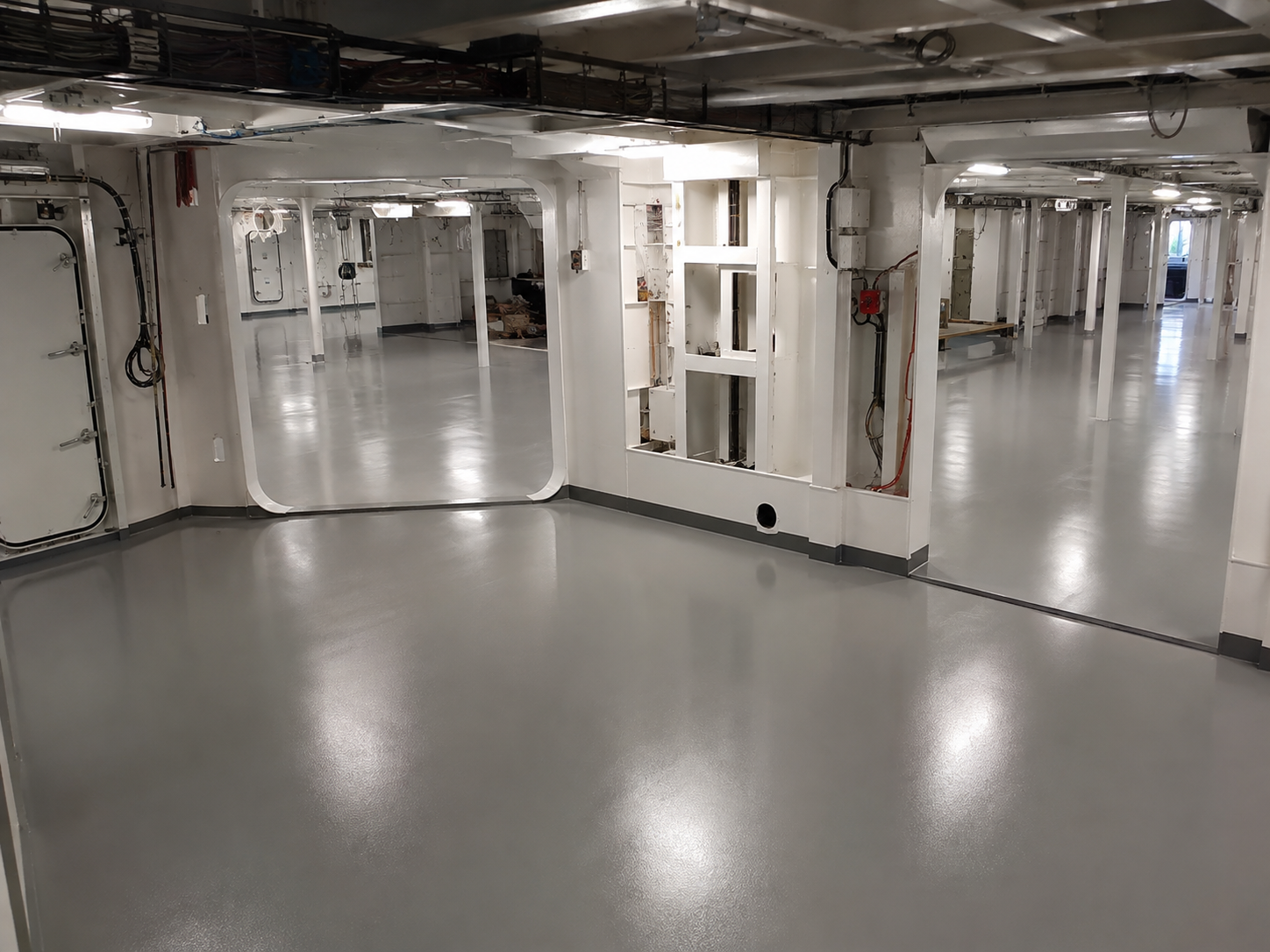
Self-Levelling Deck Covering for Marine Projects
- Three documented AC-J grades
- DNV MED records for AC-J1200, AC-JI and AC-JII
- ISO 9001:2015 quality system
- Engineering review before quotation
System Capabilities
Yibo Marine supplies cement-based, self-levelling deck-covering systems for ships and marine structures that require a defined substrate, target finish thickness and controlled final-floor interface. We compare the AC-J1200, AC-JI and AC-JII datasheet values with your specified density, flowability and strength requirements.
Project-fit review
Send the vessel type, deck area, substrate, target thickness and final covering so our team can prepare a model shortlist and document checklist. This result is a project-scoped review, not a generic residential flooring recommendation.
Email Candy.chen@yibomarine.com or call +86 155 0169 9269. Send drawings only after your own document-control requirements are confirmed.
Established September 2001
Facility More than 6000 m² in Suzhou, China
Model family AC-J1200, AC-JI and AC-JII
Flowability Φ ≥130 mm for all three supplied datasheets
Quality system ISO 9001:2015 certification stated by Yibo
Document route DNV MED records plus CCS Works Approval scope
Marine Deck System Capabilities
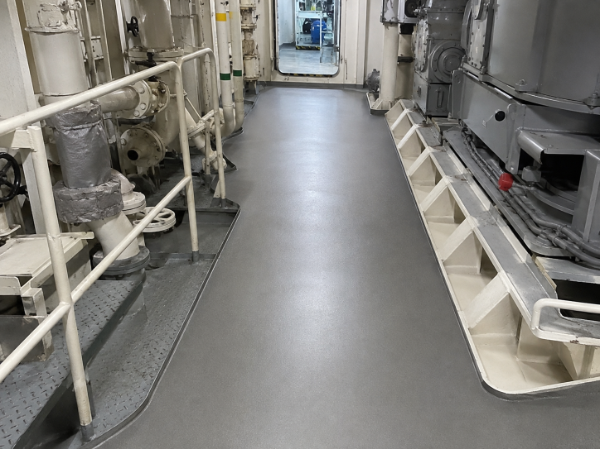
Yibo Marine offers a range of self-levelling, cement-based, marine-specified deck-coverings. Our discussion process centers on the actual deck plans, base substrate, and approved final-floor assembly, consolidating product data, certifications and installation concerns into a verifiable purchasing specification. ASTM C1708 is cited only as independent self-levelling mortar test context; it does not establish marine approval.
Shipyard review support
Hover for Specs
01Three AC-J grades
We supply AC-J1200, AC-JI and AC-JII with separate density, strength and package data for comparison.
02Deck-weight comparison
Our review compares the density of each grade with the deck weight and target build-up specified for the vessel.
03Flowability screening
The supplied Φ ≥130 mm fluidity value is used as a screening input before the applicator confirms the site method.
04Mechanical-input check
We place breaking strength and compressive strength beside the project requirement instead of choosing from a marketing label.
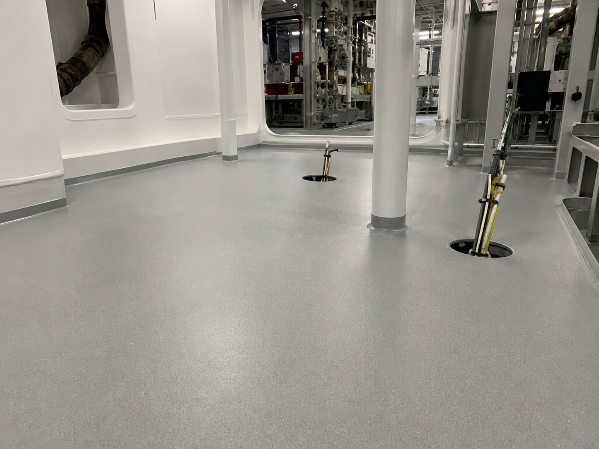
05Primary-deck use
The grades are positioned as primary deck-covering materials where the approved assembly and substrate match the project documentation.
Hover for Specs
06Final-finish mapping
Our team reviews carpet, vinyl, tile, imitation teak or another specified finish as an interface question after levelling.
07Document-pack preparation
We can organize datasheets, certificates and product-manual checkpoints for the buyer’s technical review.
08Separate approval routes
We identify DNV MED records and CCS Works Approval as different evidence types, so the wrong document is not used for a class submission.
09Shipyard review support
Our team works with the project contact on vessel type, flag, class society, deck zone and handover sequence before a quotation is finalized.
10Confirm-first boundary
We ask for substrate, thickness and assembly details when a certificate or installation statement depends on them.
Shipboard Intent Boundary
Search results like “self levelling deck covering home depot”, “DIY self levelling deck covering” and “best self levelling deck covering” focus on consumer or residential applications. This discussion of Yibo Marine’s products focuses on primary deck coverings and other ship flooring systems for vessels.
Marine Buyer Terminology
- Marine flooring systems for vessel interiors
- Marine floating floor assemblies
- Fireproof deck covering review
- Ship flooring material selection
Buyer Checkpoints
- Level before carpet, vinyl or tile because the final finish depends on the handover surface.
- Density, mechanical properties and curing time are separate inputs, not a universal grade ranking.
- Supplier evaluation should be vessel-type-specific and tied to the document route.
Material Family and Deck Assembly Inputs
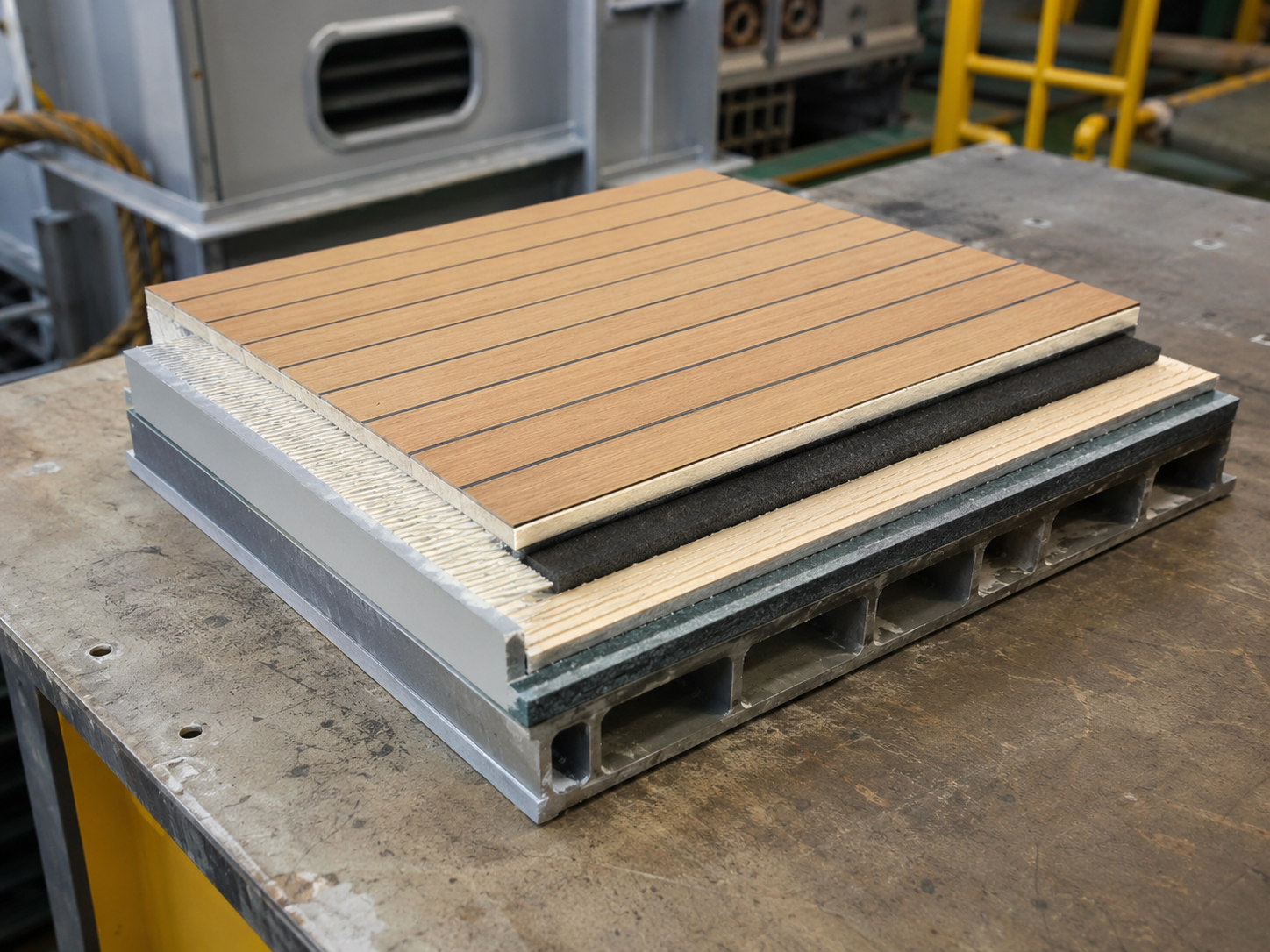
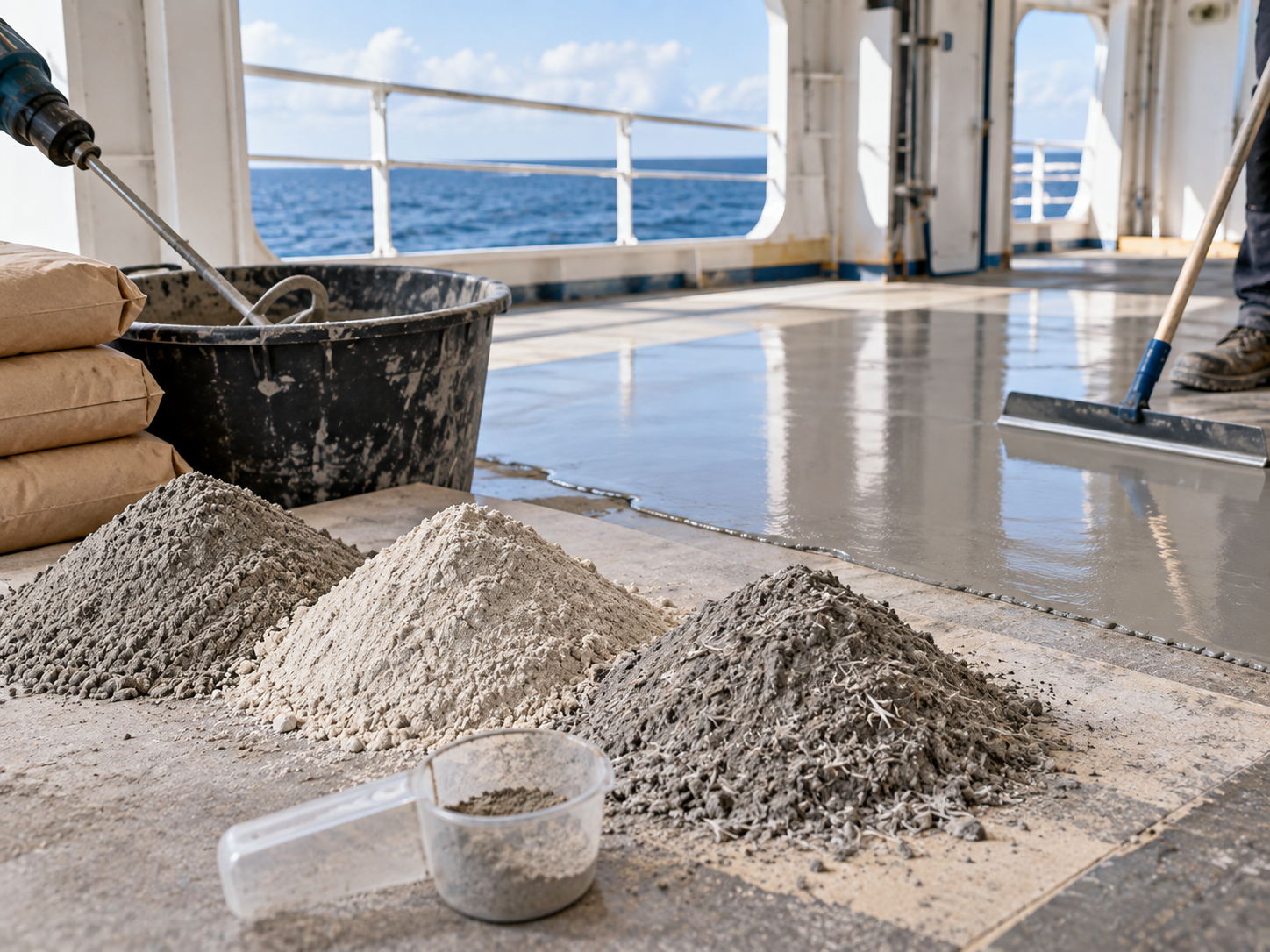
Our supplied AC-J1200 sheet describes a cement, aggregate and rubber-powder deck-covering compound. The AC-JI and AC-JII certificate designations describe cement, selected aggregate, fibre and re-dispersible latex formulations; the exact approved assembly remains the controlling document. ASTM C1708 can provide independent test-input context, while the supplied Yibo values and approved marine assembly control the decision.
AC-J1200
Cement / aggregate / rubber powder; primary deck covering designation in the DNV record.
Does the specified thickness and non-combustible substrate match the certificate and manual?
AC-JI
Cement / selected aggregate / fibre / re-dispersible latex; “Gecko AC-J I” certificate designation.
Does the higher-density option fit the deck loading and floor build-up?
AC-JII
Cement / selected aggregate / fibre / re-dispersible latex; “Gecko AC-J II” certificate designation.
Does the lower-density option meet the strength and thickness brief?
Substrate and thickness gate
Self-levelling (self-leveling) is not permission to skip surface preparation. Confirm steel or other non-combustible substrate, surface condition, target dry thickness, penetrations, drains, transitions and the final covering before the applicator applies the product.
- Record the deck zone and vessel type.
- Record the assembly drawing and required dry thickness.
- Record the next trade’s finish and adhesive or tile interface.
- Record curing, access and handover constraints with the applicator.
Final Floor Finishes and Interface Planning
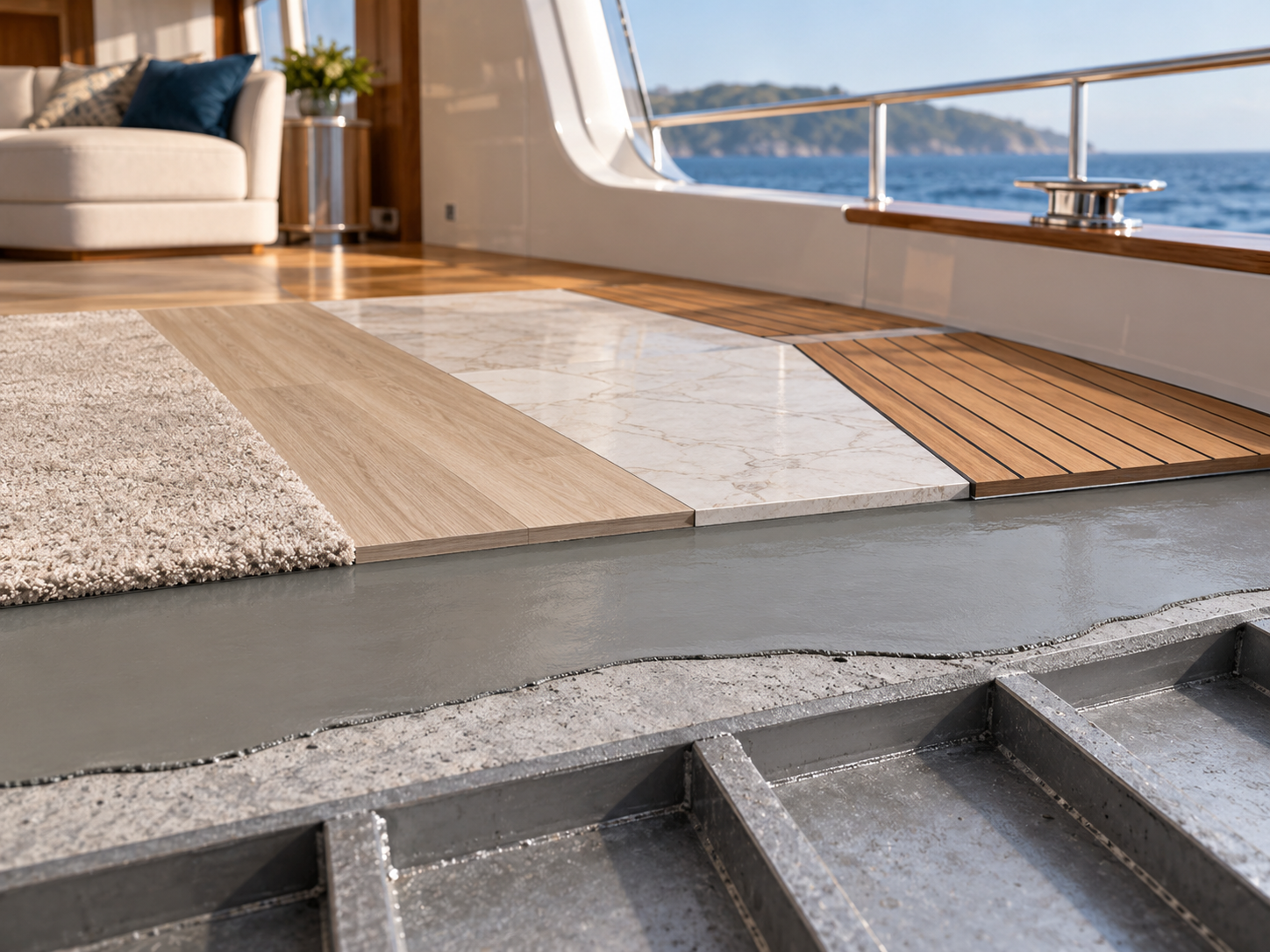
A level deck is one part of a finished marine floor. Finish selection changes the handover questions, so our review keeps the levelling layer separate from the final carpet, vinyl, tile or imitation-teak specification.
ASTM C1708 is independent context for leveling-material test inputs only; finish compatibility still follows the finish supplier and approved assembly.
Carpet and textile finishes
Confirm the required dry surface, adhesive system, edge details and inspection release before carpet installation.
Vinyl and resilient finishes
Confirm moisture, curing and smoothness requirements with the finish supplier; do not infer compatibility from the word “self-levelling.”
Tile and hard finishes
Confirm tile loading, movement joints, transitions and the approved bedding detail against the deck assembly.
Imitation teak floor
Confirm the imitation-teak system, adhesive and edge treatment as a separate finish package in the vessel specification.
| Interface item | What the project team should record | Yibo review output |
|---|---|---|
| Substrate | Steel or non-combustible deck, preparation status and penetrations | Open items for the applicator and drawing reviewer |
| Levelling layer | Selected model, target thickness and deck-zone build-up | Model comparison with datasheet values |
| Final floor | Carpet, vinyl, tile, imitation teak or specified alternative | Handover questions before quotation |
Technical Data for AC-J1200, AC-JI and AC-JII
The table below transcribes the three supplied product datasheets. These are product-screening values; final suitability still depends on the approved assembly, installation method, substrate, thickness and the current product manual.
| Specification | AC-J1200 | AC-JI | AC-JII |
|---|---|---|---|
| Density | ≤1200 kg/m³ | ≤1700 kg/m³ | ≤800 kg/m³ |
| Fluidity | Φ ≥130 mm | Φ ≥130 mm | Φ ≥130 mm |
| Breaking strength | ≥8 MPa | ≥8 MPa | ≥5 MPa |
| Compressive strength | ≥30 MPa | ≥30 MPa | ≥20 MPa |
| Organic content | ≤10% | ≤10% | ≤10% |
| Package | 18 kg/bag | 25 kg/bag | 13 kg/bag |
| DNV MED certificate | MEDB00008VR | MEDB00005WR | MEDB00005WM |
| DNV certificate validity end | 2029-03-06 | 2029-11-21 | 2029-11-24 |
Model-selector checklist
- Use density to check the deck weight and build-up.
- Use fluidity to screen the levelling method; confirm site equipment separately.
- Use breaking and compressive strength against the specified assembly, not as a stand-alone ranking.
- Use package size for handling and material planning after the area and thickness are confirmed.
Quote Scope and Project Inputs
Yibo Marine does not publish a fixed price or an invented payback figure for a marine deck assembly. A comparable quotation needs the same scope on every supplier response: product model, deck area, thickness, substrate, finish, packaging, documents and installation responsibilities.
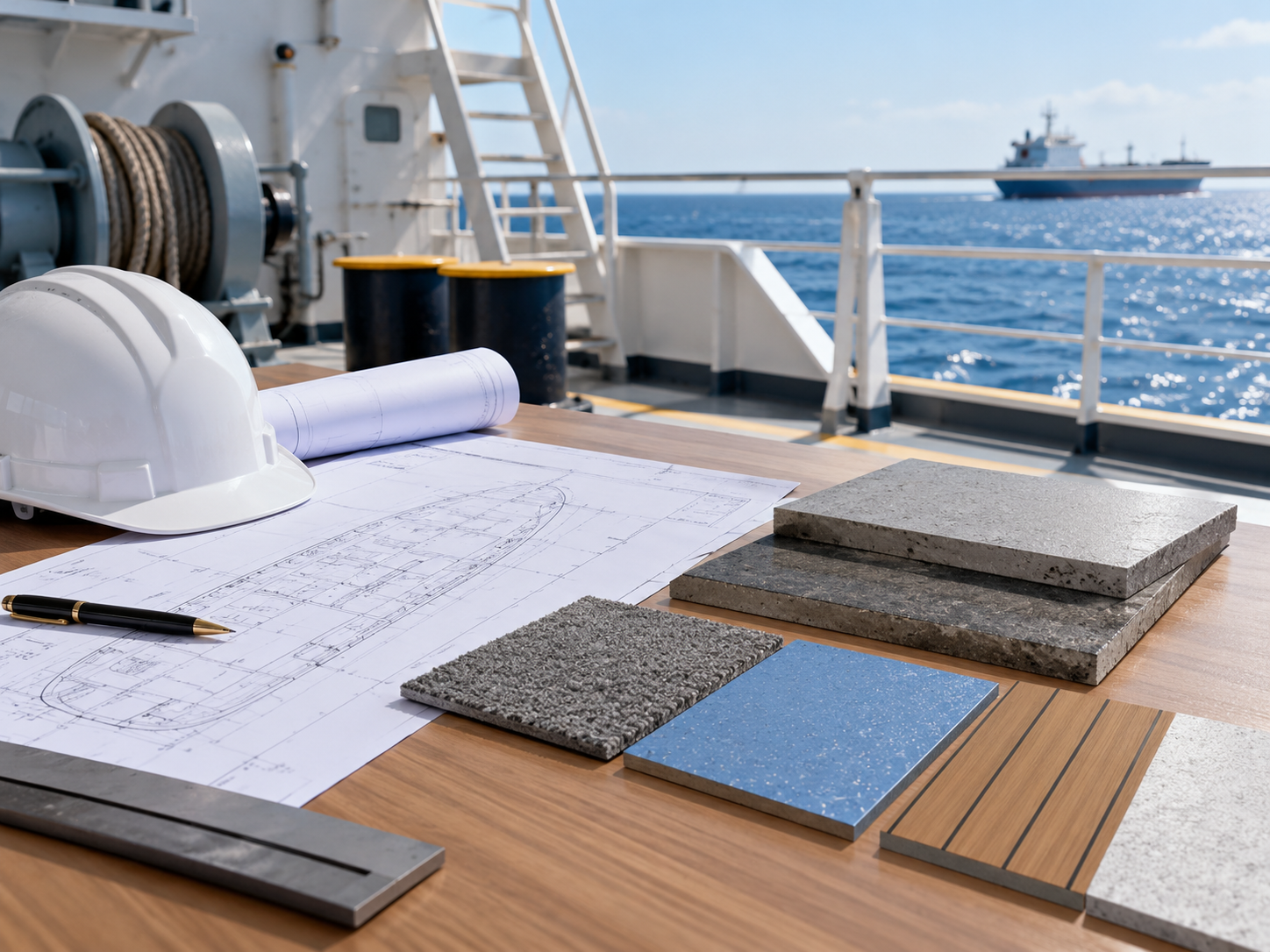
Quote driver
Why it changes the scope
Input to send
Deck area and zones
Separates cabins, corridors, wet rooms and service spaces with different handover needs.
Area schedule or marked-up deck plan.
Model and thickness
Changes material quantity, deck weight, strength review and certificate match.
Target dry thickness and model preference, if known.
Substrate condition
Changes preparation, access and the applicator’s installation sequence.
Steel/non-combustible substrate notes and photos under your document rules.
Final covering
Changes the surface handover and interface checks.
Carpet, vinyl, tile, imitation teak or other finish specification.
Document route
Changes which certificate, manual and flag/class review is required.
Vessel flag, class society, drawing and required certificate date.
- Collect inputs — We log the vessel, deck zone, area, substrate, thickness and final finish.
- Shortlist models — Our team compares the three datasheets and flags any density or strength trade-off.
- Check documents — The review identifies the relevant DNV or CCS evidence and the limits that still need review.
- Align scope — We separate material supply, application, testing, packaging and handover responsibilities.
- Issue the quote — Yibo returns a written scope for your purchasing and engineering review.
Because no independent shipboard ROI or total-cost benchmark was found for this product family, the page makes no savings, payback or cost-per-square-metre promise. Your own area, labour, access and schedule data can be used in an internal estimate once the scope is comparable.
Quality, Certificates and Inspection Records
Yibo states that its quality system is certified to ISO 9001:2015 and that product quality meets SOLAS fire-safety specifications and requirements stipulated by DNV GL, EC, CCS, NK and other classification societies. Each applicable certificate remains product-, assembly- and jurisdiction-specific, so the document pack must be checked against the vessel brief.
DNV MED, AC-J1200
MEDB00008VR; valid to 2029-03-06
Check model, primary-deck designation, thickness, density, organic limit, substrate and manual.
DNV MED, AC-JI
MEDB00005WR; valid to 2029-11-21
Check “Gecko AC-J I” designation, dry-film limit, density and approved assembly.
DNV MED, AC-JII
MEDB00005WM; valid to 2029-11-24
Check “Gecko AC-J II” designation, dry-film limit, density and approved assembly.
CCS Works Approval
SH25PWA00041; issued 2025-10-18; valid to 2027-07-22
Use as Works Approval evidence within its stated scope; do not relabel it as universal Type Approval.
Every model choice starts with the deck zone, substrate, target thickness and final covering; the certificate is checked after those inputs are fixed.
Yibo Marine technical review principle
Inspection handover
The risk in a marine deck submission is a scope mismatch, because a valid certificate can still be unsuitable for a different model, assembly or registry route. We therefore keep the evidence trail tied to the product designation and the reviewing authority.
- The selected model is checked against the current datasheet.
- Our team matches the certificate designation to the requested vessel and deck assembly.
- Thickness, substrate and final-covering interfaces are recorded for the application team.
- The product manual and document version stay in the quotation file for review.
Process
How We Work With Shipyards and Marine Contractors
Our team has supplied marine flooring products since 2001 and works from the buyer’s deck schedule rather than a one-line product name. This six-stage approach keeps technical review, commercial scope and approval documents aligned.
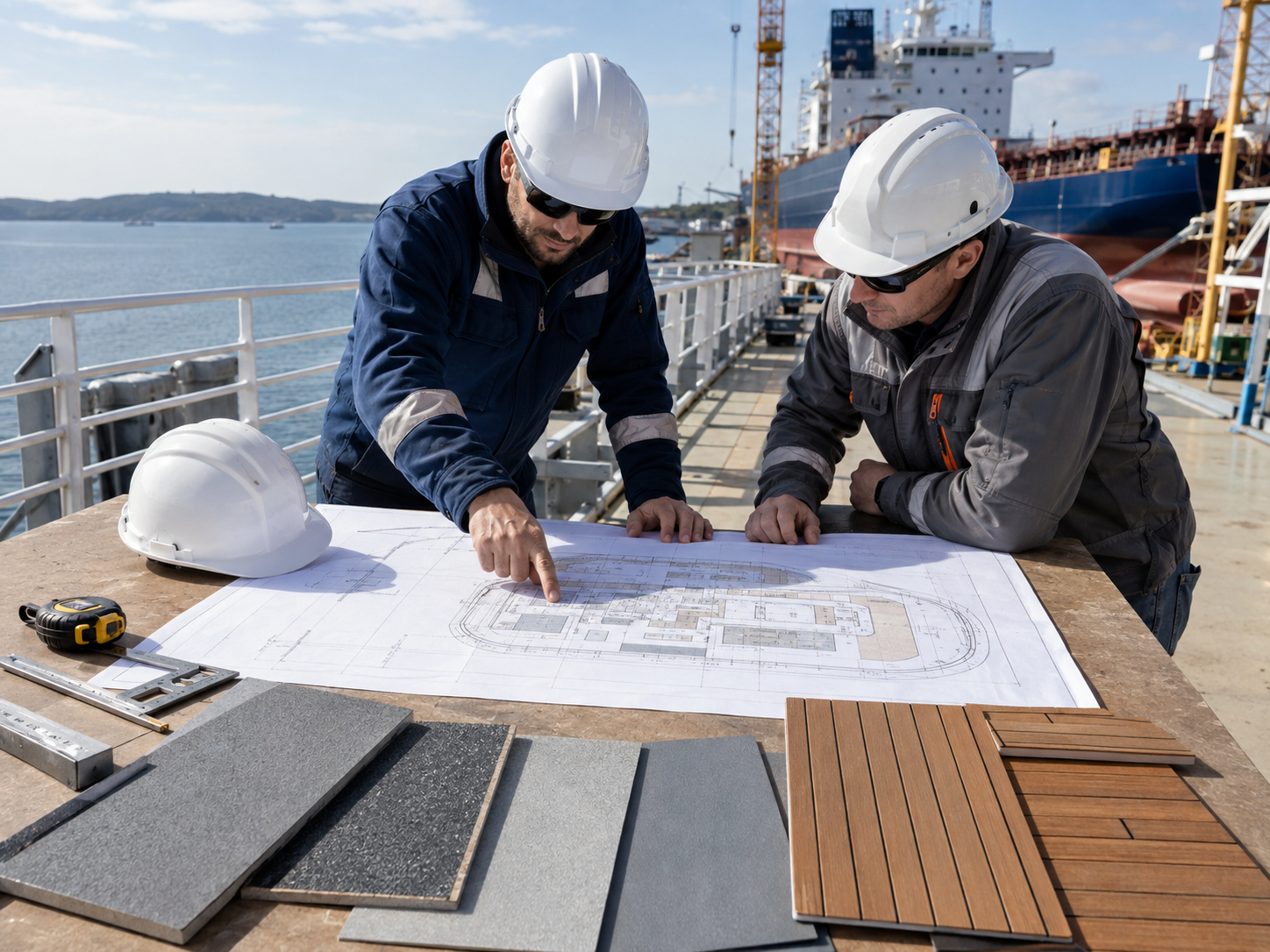
01 // Project brief
Send vessel type, deck zones, substrate, area and required finish.
02 // Drawing review
Our team checks thickness, transitions, penetrations and the handover sequence.
03 // Model comparison
Yibo compares AC-J1200, AC-JI and AC-JII with the supplied numeric data.
04 // Document review
We prepare the relevant DNV MED or CCS Works Approval discussion and identify flag-state checkpoints.
05 // Written scope
The quotation clarifies supply, application, packaging, documents and any open responsibility.
06 // Handover follow-up
The selected model and manual reference remain available for the project team.
Design notes that reduce rework
| Design note | Specify | Why it protects the project |
|---|---|---|
| Deck zones | Room, corridor, wet-area and service-space boundaries | Prevents one finish or one thickness being assumed across different interfaces. |
| Penetrations | Drains, pipe collars, door thresholds and edge details | Gives the applicator a handover map before material is placed. |
| Certificate route | Flag, class society, vessel registry and required document date | Stops a valid document being used outside its review scope. |
| Final finish | Carpet, vinyl, tile, imitation teak or another named system | Aligns the levelling surface with the next trade’s acceptance criteria. |
Company Profile and Shipyard Relationships
Suzhou Yibo Industry & Trade Co., Ltd. was founded in September 2001 in Huangqiao Street, Xiangcheng District, Suzhou City, Jiangsu, China. Yibo states that its facility covers more than 6000 m² and that it maintains an ISO 9001:2015 quality management system certification.
Yibo reports friendly cooperative relationships with Guangzhou Shipyard International Co., Ltd., CSSC Huangpu Wenchong Shipbuilding Company Limited, Jiangsu New Yangzi Shipbuilding Co., Ltd., Dalian Shipbuilding Industry Co., Ltd. and Shanghai Waigaoqiao Shipbuilding and Offshore Co., Ltd. These names are presented as company-stated relationships, not as project case studies or endorsements.
Marine flooring range Self-levelling, high sound-insulation floating floors, damping coatings, ordinary deck coverings, polyester primary deck coverings, PU levelling coverings and imitation teak floors.
Factory contact Gongyefang Road, Shengtian Village, Huangqiao Street, Xiangcheng District, Suzhou, Jiangsu, China 215132.
After-sales route Sales and marketing: +86-15501699269. After-sales: +86-512-65460281.
Model shortlist review Send area, substrate, thickness and final covering for a documented AC-J comparison. Request a model shortlist
Classification document check Send vessel type, flag, class society and required certificate date. Request a document check
Installation interface review Send the surface condition and floor-finish sequence for handover questions. Request an interface review
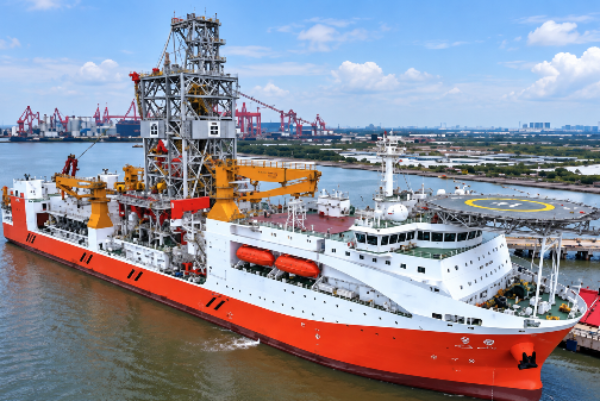
When Marine Deck Covering Needs Another Review
The product name does not remove the engineering gates around a shipboard floor. Use the table to route a project to the right review before material is selected. ASTM C1708 remains independent test context and cannot replace the vessel-specific certificate or class review.
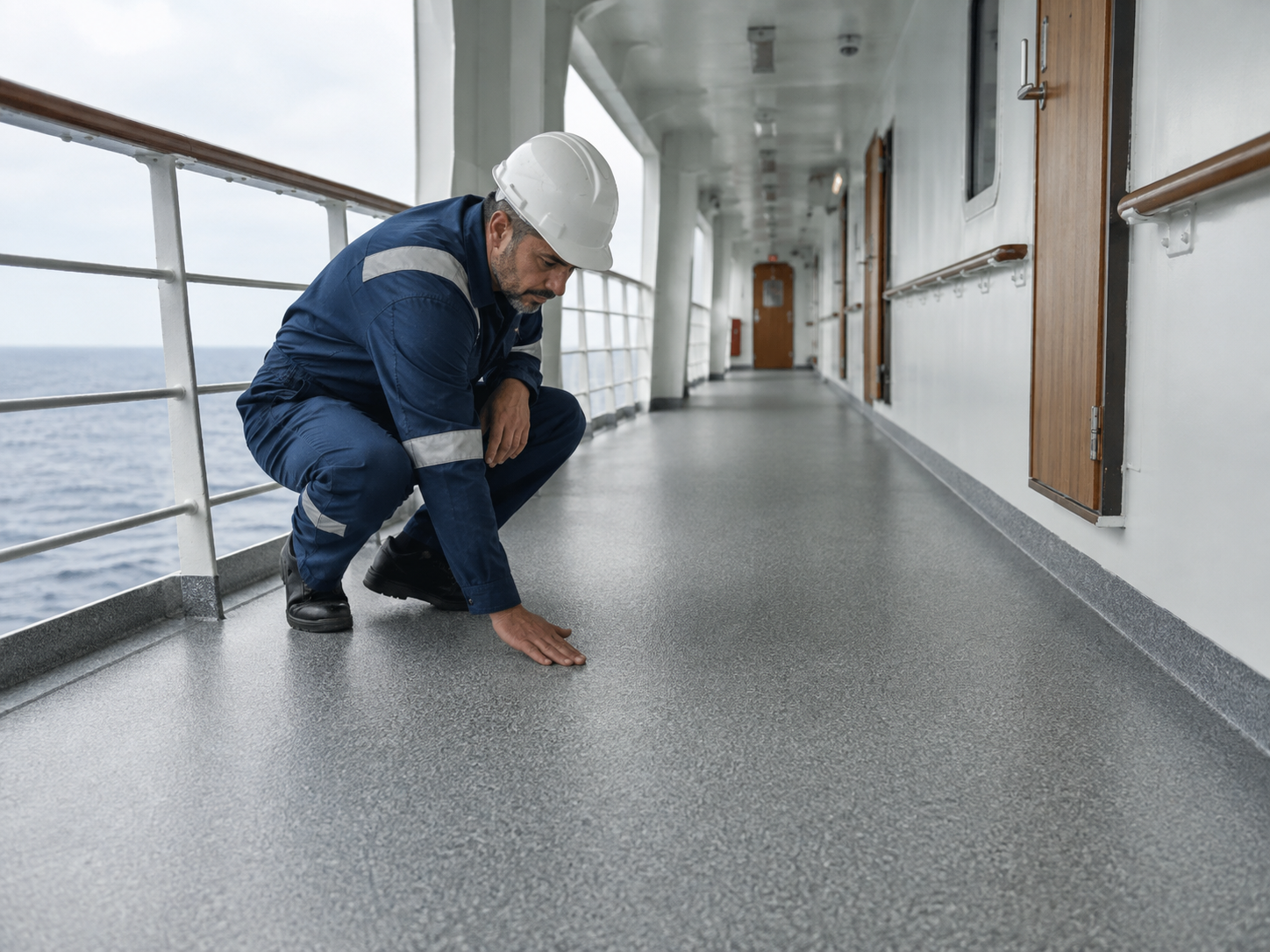
Substrate is not confirmed
Certificate and installation language may depend on steel or non-combustible construction.
Send the deck build-up and preparation status for a substrate check.
Thickness is missing
Model selection and certificate limits cannot be matched to an undefined dry film.
Record target thickness by deck zone before requesting a final quote.
Flag-state route is unclear
DNV and CCS documents do not guarantee acceptance in every registry or marking route.
Confirm the vessel registry, class society and reviewing authority.
Final floor is undecided
Carpet, vinyl, tile and imitation teak create different handover interfaces.
Name the finish or ask the finish supplier for its substrate criteria.
Numeric savings are required
No independent shipboard ROI dataset supports a universal payback claim.
Build an internal estimate from your area, labour, access and schedule inputs.
Document checkpoint
Search-intent and decision boundary
A wrong certificate route can delay a class review or force rework. Check the DNV MED designation, CCS Works Approval scope, IMO context and flag-state route before the material release.
Open the document checklistQueries such as “Best marine self levelling deck covering,” “Marine self levelling deck covering cost,” “Best self levelling marine floor,” “Ship deck covering cost,” “Best ship deck covering,” “Ship deck covering for sale” and “Self levelling marine floor cost” still require a shipboard scope check. The trade-off is not always visible in a product name, and the wrong choice is not necessarily the cheapest or lightest option; cheapest is not always best.
A self-levelling layer is not a substitute for substrate preparation, and a DNV or CCS document is not automatically accepted by every flag-state route. Check the drawing, certificate designation, thickness, assembly and reviewing authority for the applicable project.
Self-Levelling Deck Covering Tools
Marine Certificate Checklist
Verify compliance with international maritime standards. Access the complete certification requirements for your deck systems.
Deck Material Planner
Estimate volume and mass based on your deck area and target thickness. Optimize your material planning efficiently.
AC-J Model Selector
Compare density and compressive strength to select the most suitable AC-J model for your marine engineering project.
Marine Flooring Questions
What is a self-levelling deck covering?
It is a flowable deck-covering material used to create a specified level surface within a marine floor assembly. The finished result still depends on substrate preparation, target thickness, application method and the approved final covering; ASTM C1708 is independent test context rather than a marine approval.
Which AC-J model is the lightest?
AC-JII has the lowest supplied density at ≤800 kg/m³. Compare that value with its supplied compressive strength of ≥20 MPa and the project assembly before selecting it.
Which model has the highest supplied density?
AC-JI is listed at ≤1700 kg/m³, while AC-J1200 is ≤1200 kg/m³. This higher-density figure can matter when the deck build-up, loading and specified strength are constrained, but it does not by itself prove the best deck performance. Compare density with fluidity, breaking strength, compressive strength, thickness and the approved assembly before release.
Do all three models have the same fluidity?
Yes. Each supplied datasheet lists Φ ≥130 mm.
Can a DNV certificate guarantee flag-state acceptance?
No blanket guarantee is made. A DNV MED record must be checked against model, assembly, substrate, thickness, product manual and the vessel’s registry and reviewing authority.
Is CCS Works Approval the same as Type Approval?
No. CCS Works Approval SH25PWA00041 is kept in its stated works-approval scope and is not described here as universal product-level Type Approval.
Can the levelling layer receive vinyl or carpet?
It can be reviewed for those interfaces when the deck assembly, curing condition, surface preparation and finish supplier criteria are documented. Send the final covering specification with the drawing.
Do you publish a marine deck-covering price?
Yibo Marine does not publish a universal price or payback figure. A written quotation is built from area, model, thickness, substrate, finish, documents and supply responsibilities.
What should a buyer send for a model shortlist?
Send vessel type, flag and class society, deck area, substrate, target thickness, final covering and the required certificate date. Our team will compare AC-J1200, AC-JI and AC-JII against those inputs.
![Marine PU Floor: Selection & Installation [Guide]](https://yibomarine.com/wp-content/uploads/2026/09/marine-pu-floor-blog-featured-150x150.png)